Sneezing, Stuffy Nose and Allergies After a Flood: Which Germs Are Behind Them? Lessons From the Ngio Rai, Nakhon Chai Si, Nakhon Pathom Flood of 2026 (B.E. 2569), Plus Post-Flood Disinfection
Last updated: 8 Oct 2026 | 4 Views |
Sneezing, Stuffy Nose and Allergies After a Flood: Which Germs Are Behind Them? Lessons From the Ngio Rai, Nakhon Chai Si, Nakhon Pathom Flood of 2026 (B.E. 2569), Plus Post-Flood Disinfection
If you are searching for "why do I keep sneezing after the flood", "stuffy nose every morning after moving back home" or "allergies getting worse after floodwater", this guide is for you. Sneezing, a blocked or runny nose, itchy eyes and an itchy throat after a flood rarely have a single cause. They can come from several groups of germs and allergens that thrive in damp houses: mold spores, cold and flu viruses, bacteria growing in soaked materials, and allergens trapped in dried mud. We explain them through the flood in Ngio Rai subdistrict, Nakhon Chai Si district, Nakhon Pathom province in 2026 (B.E. 2569), a riverside area along the Tha Chin River where water stood for days. We go through the culprits one by one, list the warning signs that mean you should see a doctor right away, and explain why, after wet items are removed and the house is washed, the disinfection spraying service from World Health Disinfection (WHD) is a sensible final step to reduce germs on household surfaces.
Example Case: Back Home by the Tha Chin River in Ngio Rai, 2026, and Sneezing From the First Step
Note: this is an example case based on situations commonly seen in riverside communities after floods. It is not the account of any specific person.
Kaew sells fruit at a local market. She lives in a two-storey house in Ngio Rai, Nakhon Chai Si, with her mother, who is in her seventies, and her son, who is in primary school. During the Nakhon Chai Si flood of 2026 (B.E. 2569), water from the Tha Chin River and nearby canals slowly rose until the ground floor sat underwater for days. The family moved upstairs. Mattresses, pillows, blankets and clothes that could not be carried up in time stayed in the water below.
When the water finally dropped, Kaew opened the ground-floor door. The first thing she noticed was a musty smell strong enough to sting her nose, followed by a long run of sneezes. A tide line stained the plaster almost to waist height. The wooden door frame had black, green and white fuzzy spots. The fabric sofa smelled sour, and the doormat had grown a soft layer of mold.
That night her son had a blocked nose and her mother sneezed non-stop. Was it a cold, a mold allergy, or both? The honest answer is that both are possible, and they often overlap. A house that has just come out of floodwater is full of airborne mold spores and dried mud dust. At the same time, neighbours share shelters, relatives' homes and crowded spaces, so respiratory viruses pass around easily. Understanding which symptoms point to which group of germs helps a family clean the right places and know when to get medical help.
Ngio Rai, Nakhon Chai Si, Nakhon Pathom 2026 (B.E. 2569): What the News Reported
According to Siam Rath on 5 October 2026 (B.E. 2569), Nakhon Pathom provincial officials visited Ngio Rai subdistrict in Nakhon Chai Si district and handed out 150 relief kits to flood-affected residents. The report said Nakhon Chai Si district had been declared a disaster zone covering 24 subdistricts and 108 villages.
The vulnerable spots named in the report were areas along the Tha Chin River and canal lines, such as Nakhon Chai Si, Bang Krabao and Tha Tamnak subdistricts. At the time, water was still standing in several subdistricts, and the province coordinated with the Royal Thai Navy to send water pumps to speed up drainage.
Nationally, the Department of Disaster Prevention and Mitigation reported at 06.00 on 7 October 2026 (B.E. 2569) that floods had affected 27 provinces plus Bangkok, covering 123 districts, 984 subdistricts and 1,154,875 households, or more than 3.1 million people. Many of those homes are now entering the recovery phase, which is exactly when mold and respiratory symptoms begin to show.
The Ngio Rai flood of 2026 was standing water, not a fast flash flood that passed quickly. Walls, wooden floors, cabinets, mattresses and furniture soaked for days. The longer materials stay wet, the deeper the moisture goes, and the hot, humid weather of central Thailand in October helps mold grow fast once the water recedes.
Sneezing After a Flood: Is It a Cold or an Allergy?
The most common question is "is my sneezing after the flood a cold or an allergy?" The points below are general guidance, not a diagnosis. If you are unsure, ask a doctor or pharmacist.
- Signs that suggest an allergy or mold irritation: sneezing in bursts, clear runny nose, itchy nose and eyes, watery eyes, symptoms worse in musty rooms or while moving wet items, and better outdoors. Usually no fever.
- Signs that suggest a viral cold: sore throat, body aches, mild to moderate fever, mucus that starts clear and thickens within a few days, and family members or shelter neighbours catching it one after another. Usually improves within about a week.
- Signs that suggest influenza: sudden high fever, headache, strong muscle aches, exhaustion and a dry cough. Take extra care with older adults, young children, pregnant women and people with chronic illness.
- Signs that suggest sinusitis: a blocked nose lasting more than ten days, thick yellow or green mucus, pressure over the cheeks, forehead or around the eyes that gets worse when bending forward, sometimes with fever.
Which Germs Cause Sneezing, Stuffy Nose and Allergies After a Flood? 12 Culprits
These are the germs and allergens most often linked to sneezing, congestion and allergy flare-ups in flood-damaged homes. This is general public health information, not a diagnosis.
1. Aspergillus (for example Aspergillus fumigatus and Aspergillus niger)
Common in soil, dust and damp materials, Aspergillus appears as grey-green, black or yellow patches on gypsum board, plywood and cardboard. Its tiny spores stay airborne and reach deep into the airways. Most people get sneezing and throat irritation; people with asthma may flare up, and people with severely weakened immunity can develop lung infection, so they should stay away from moldy cleanup work.
2. Penicillium
Green or blue-green mold on spoiled food, damp fabric, wallpaper and the backs of cabinets. A main source of musty smell, and its spores are a common allergen causing bursts of sneezing, a clear runny nose and itchy eyes.
3. Cladosporium
A black or olive-green mold on window frames, grout, curtains and wet air-conditioning vents. It is strongly linked to allergic rhinitis. While a house is still damp, indoor spore levels can be far higher than usual, so even people without allergies may start sneezing.
4. Alternaria (Alternaria alternata)
A dark mold on woven mats, wood, paper, carpets and plant debris carried in by water. Its spores are linked to allergic rhinitis and asthma flare-ups, which is why sweeping out wet leaves and mats can set off hard sneezing.
5. Black mold (Stachybotrys chartarum)
Grows on gypsum board, paper and plywood that stay wet for days, as a slimy black stain. Once it dries and is scraped or torn out, spores and fragments become airborne and irritate the nose, eyes and throat. Large areas should be removed with protective gear, never painted over.
6. Actinomycetes such as Streptomyces
Thread-forming bacteria in soil and damp building materials that add to the earthy, musty smell. Breathing heavy dust containing them can irritate the airways, so wear a mask when sweeping dried mud.
7. Gram-negative sewage bacteria and their endotoxin (for example Pseudomonas and Enterobacter)
Floodwater from drains and septic tanks carries these bacteria indoors. Their cell walls contain endotoxin, and when mud dries into dust, breathing it can cause allergy-like congestion, coughing and chest tightness. Wash mud out while it is still damp.
8. Rhinovirus, the common cold virus
The leading cause of colds, spreading through droplets and through hands that touch contaminated surfaces and then the nose or eyes. Shared shelters, stair rails and door handles help it move fast, and it often sets off allergy or asthma flare-ups in children.
9. Respiratory syncytial virus (RSV)
Starts like a cold but in babies and older adults can progress to bronchiolitis or pneumonia with fast, wheezy breathing. RSV is common in Thailand's rainy season and survives on hard surfaces for hours. According to WHD's service and product information, RSV is on the list of organisms CHEMGENE HLD4H is stated to cover.
10. Influenza virus (for example H1N1)
Sudden high fever, headache and body aches, then congestion and cough. Exhausted flood survivors may get sicker than usual. According to WHD's service information, influenza H1N1 and H5N1 are on the covered list.
11. Adenovirus and human coronavirus 229E
Adenovirus causes colds, sore throat and red eyes and survives well on surfaces; coronavirus 229E is another common-cold virus. According to WHD's product information, coronavirus 229E and SARS-CoV-2 are on the covered list. Adenovirus is not, so we claim no tested result; it belongs to the virus group the product says it covers, and you can ask WHD for test data.
12. Sinus bacteria after a cold (Streptococcus pneumoniae and Haemophilus influenzae)
When the nasal lining stays swollen, blocked sinuses let these airway bacteria multiply. Watch for congestion beyond ten days, thick green mucus, facial pain, or symptoms that improve then worsen. See a doctor rather than buying medicine yourself.
Non-germ allergens: damp mattresses feed house dust mites (Dermatophagoides pteronyssinus), and cockroaches fleeing the water leave allergens in kitchens. Discarding soaked mattresses and deep-cleaning the kitchen helps.
Non-Stop Sneezing After a Flood: When Should You See a Doctor Right Away?
Most sneezing and congestion is mild, but some warning signs should not be watched at home. See a doctor right away if:
- Breathing is hard, you are short of breath, wheezing, cannot finish a sentence, or lips and fingertips turn bluish.
- Someone with asthma has a flare-up worse than usual, or their regular prescribed inhaler or device is not helping as before.
- A young child breathes fast, the skin between the ribs pulls in, the nostrils flare, they drink or feed less, are unusually drowsy, or a baby under 3 months has a fever.
- There is a high fever with a severe headache and muscle aches, especially calf pain or red eyes, after wading through floodwater. This can be leptospirosis. Tell the doctor about the flood exposure.
- There is blood in the phlegm, chest pain when breathing, or a fever that lasts more than two or three days.
- Someone with weakened immunity, such as a person receiving cancer treatment, a transplant recipient or someone on immune-suppressing treatment, develops fever and cough after being in a moldy house.
- Congestion lasts more than ten days with thick green mucus, facial pain, swollen eyes or changes in vision.
- An older adult becomes confused, very weak, cannot eat, or also has heart or chronic lung disease.
At the clinic, say clearly: "Our house was just flooded, there is mold, and I waded through water or handled wet items." This helps the doctor assess you properly. This article is general information only and not a diagnosis or medication advice. Do not self-medicate or use someone else's medicine.
How to Prevent Allergies After a Flood: What You Can Do at Home Now
- Dry the house as fast as possible: WHO and CDC advise starting cleanup and drying within 24 to 48 hours after water recedes to limit mold growth. Open doors and windows and use fans blowing air outward.
- Throw out soaked items that cannot be dried: mattresses, pillows, carpets, insulation and gypsum board soaked for more than a day or two rarely become truly clean.
- Wash mud out while it is still damp: do not let it dry and then sweep it, because it turns into dust carrying spores and bacteria.
- Wear protection: an N95 mask, rubber gloves, goggles, boots and long sleeves when removing moldy items or scrubbing walls.
- Keep high-risk people out: young children, older adults, people with asthma and people with weak immunity should not be inside during demolition and scrubbing.
- Wash hands often and avoid rubbing eyes and nose: this reduces cold viruses moving from surfaces into your body.
- Wash fabrics in hot water and dry them in strong sun: wash flood-soaked blankets, curtains and clothes separately and dry them completely.
- Clean air-conditioner filters and fans: units that got wet or sat in damp rooms should be checked and cleaned before use.
- Clean, then disinfect surfaces: once the mud is gone, disinfect high-touch surfaces or book a professional service for larger areas.
One key point: mold allergens can still trigger symptoms even after the mold is no longer alive. Disinfection alone is not enough; moldy materials must be removed and stains washed off first. Spraying is a step after cleaning, not a shortcut around it.
How WHD Disinfection Spraying Helps After the Nakhon Pathom Flood of 2026
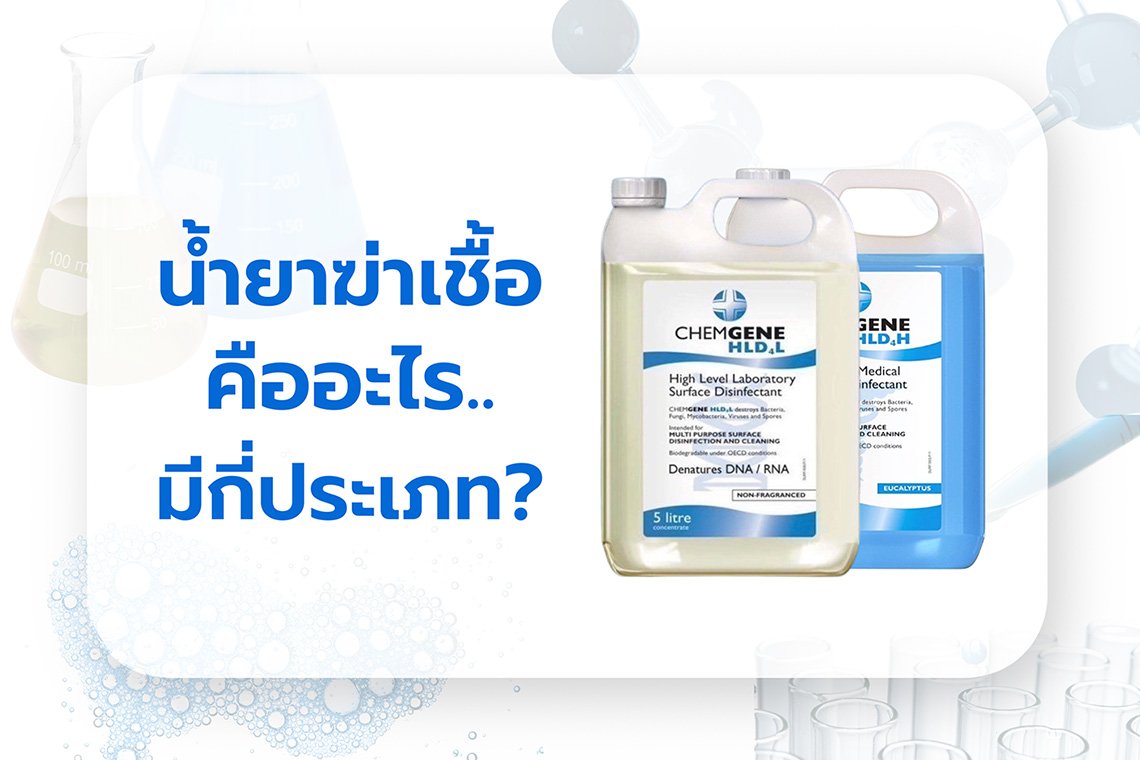
The WHD disinfection spraying service uses trained technicians who spray and/or ULV-fog (Ultra Low Volume, a very fine mist that spreads across a space). According to the service information, the disinfectant is CHEMGENE HLD4H, a medical-grade disinfectant from the United Kingdom containing Benzalkonium Chloride and Didecyldimethylammonium Chloride.
According to WHD's service and product information, the organisms it is stated to cover include SARS-CoV-2 (COVID-19), human coronavirus 229E, RSV, influenza H1N1 and H5N1, hand-foot-and-mouth virus, norovirus, Salmonella, Bordetella pertussis (whooping cough), mycobacteria, and bacteria and fungi in general. The service page states 99.99% effectiveness, and the product page states 99.85% against COVID-19 within 1 minute. The site also lists approvals and references from the Department of Medical Sciences, Mahidol University, NHS England and the standard EN 14476:2013+A2:2019.
Molds such as Aspergillus, Penicillium, Cladosporium, Alternaria and Stachybotrys, and bacteria such as Streptomyces, Pseudomonas and Enterobacter, are not named on that list, so we do not claim organism-specific test results. They belong to the fungi and bacteria groups the product says it covers, and you can ask WHD directly for test data on any organism you are worried about.
To be clear: spraying reduces germs on household surfaces after cleaning and helps lower the chance of cold viruses passing around a family, but it does not treat allergies or respiratory illness and does not replace removing moldy materials. Anyone with symptoms should see a doctor.
The WHD post-flood spraying process
- Survey and assessment: the team asks about the house, its size, the flood depth and moldy areas by phone or LINE for upcountry areas such as Nakhon Pathom.
- Owners remove mud and wash first: take out wet items, discard heavily moldy materials, scrub off mud and let the house dry.
- Zoning: rooms are marked for treatment, and people, pets and food leave the zone.
- Spraying: technicians apply spray or ULV mist across surfaces, including dead corners, lower walls and high-touch points.
- Wait and re-enter: according to the service information, wait about 30 minutes after spraying, or as the technicians advise, before using the space again. Do not enter during spraying.
WHD is based in Bang Khae, Bangkok 10160, and takes upcountry jobs by phone or LINE. It has no local branch, and dates depend on the schedule, so same-day service cannot be promised. For homes with a strong musty smell, residential ozone disinfection can be considered as a complementary service. According to the service information, the current promotion includes a free CHEMGENE spray bottle and WELLGIENIC wet tissues, and tax invoices are available.
10 Reasons to Disinfect After a Flood When Your Family Is Sneezing
- It reduces germs on high-touch surfaces, a main route for cold viruses and RSV within families.
- It finishes the job after mud removal, following the clean-then-disinfect approach recommended by WHO and CDC.
- One product is stated to cover viruses, bacteria and fungi, so you do not need to mix several products.
- ULV mist reaches dead corners, walls behind cabinets and large areas more evenly than wiping by hand.
- Older adults, children and allergy sufferers can return with more confidence after cleanup is complete.
- It lightens the load on a family exhausted from days of cleaning.
- Trained technicians know how to zone rooms and set safe re-entry times.
- It suits homes, shops, schools, offices and community buildings used as shelters.
- The disinfectant's approvals and references can be checked on the disinfection service page.
- You can consult by phone or LINE first and ask for test data on the germs that worry you most.
Before and After Spraying: A Riverside Home in Ngio Rai, 2026 (Example Case)
Before
- Strong musty smell from the moment the door opens
- Black and green spots on lower walls
- Family sneezing every time they go downstairs
- Unsure whether the dining table and door handles are clean
- Older adults and children still unable to sleep downstairs
After
- Mattresses and moldy materials removed, mud washed off
- House drier thanks to ventilation
- High-touch surfaces sprayed after cleaning
- Family returns at the time the technicians advise
- Symptoms monitored, doctor visit if warning signs appear
This before-and-after picture is an example to explain the process. Real results depend on the house, moisture levels and how thoroughly moldy materials are removed. Allergy symptoms may continue for a while, and medical advice should come from a doctor.
Frequently Asked Questions About Sneezing and Allergies After a Flood
Why do I keep sneezing after the flood?
Common causes are mold spores growing in damp homes, such as Aspergillus, Penicillium, Cladosporium and Alternaria, dried mud dust carrying bacteria, and cold viruses that spread easily when people share spaces.
Is my stuffy nose after the flood a cold or an allergy?
Bursts of sneezing, clear mucus, itchy eyes, no fever and relief outdoors point toward allergy. Fever, sore throat, body aches and spread within the household point toward a cold. Ask a doctor if unsure.
What are the symptoms of a mold allergy at home?
Sneezing, congestion, runny nose, itchy or red eyes, coughing and throat irritation; some people get chest tightness or asthma flare-ups, usually worse in musty rooms.
When should I see a doctor for allergies after a flood?
If breathing is hard, you wheeze, lips turn blue, you have a high fever, cough up blood, have congestion over ten days with facial pain, or a young child breathes fast. Mention the flood.
Is mold after a flood dangerous?
For most people it causes allergy and irritation, but for people with asthma, older adults, young children and people with weak immunity it can worsen symptoms or cause infection, so remove it properly.
Can I paint over mold?
No. Mold under paint keeps growing and comes back. Remove heavily moldy materials, clean the stains, let everything dry fully, then disinfect and repair.
Will disinfection spraying cure my allergies?
No. Spraying reduces germs on surfaces after cleaning but does not treat allergies, and mold allergens remain if moldy materials and stains are not removed. See a doctor for symptoms.
Do we need to leave the house during spraying?
Yes, leave the zone being sprayed and return at the time the technicians advise, generally about 30 minutes after spraying according to the service information.
Is there a disinfection service near me in Nakhon Chai Si, Nakhon Pathom?
WHD is based in Bang Khae, Bangkok, and serves Nakhon Pathom by appointment via 065-556-6294 or LINE @whd268. There is no local branch, and dates depend on the schedule.
Should I clean my air conditioner after a flood?
Yes, if it got wet or sat in a damp room. Filters and coils can collect mold and spread spores when switched on, so have it checked and cleaned first.
The Water Has Dropped in Ngio Rai, Nakhon Chai Si. Let WHD Finish the Job With Disinfection Spraying
Once wet items are out and the house is washed, book technicians to reduce germs on household surfaces before children, older adults and allergy sufferers move back in.
See the Disinfection Spraying Service
Call 065-556-6294 | LINE: @whd268
Related Services
- World Health Disinfection spraying service
- CHEMGENE HLD4H disinfectant
- Residential ozone disinfection for musty homes
References
- Siam Rath, flood in Ngio Rai, Nakhon Chai Si, Nakhon Pathom, 5 Oct 2026 (B.E. 2569): https://siamrath.co.th/regional/326639
- Government Public Relations Department, national flood summary, 7 Oct 2026 (B.E. 2569): https://www.prd.go.th/th/content/category/detail/id/33/iid/548715
- World Health Organization, Fact sheets: https://www.who.int/news-room/fact-sheets
- CDC, Floods: https://www.cdc.gov/floods/
- Department of Disease Control, Thailand: https://ddc.moph.go.th/
#SneezingAfterFlood #AllergiesAfterFlood #SymptomsAfterFlood #GermsAfterFlood #NakhonChaiSiFlood2569 #NakhonPathomFlood2569 #DisinfectionNakhonPathom #DisinfectionService #PostFloodDisinfection #Flood2569 #DisinfectionSpraying
Keywords: sneezing after flood, stuffy nose after flood, allergies after flood, runny nose after floodwater, mold allergy after flood, mold spores symptoms, when to see a doctor for allergies, Ngio Rai flood 2026, Nakhon Chai Si flood 2569, Nakhon Pathom flood 2569, disinfection service Nakhon Pathom, post-flood disinfection, CHEMGENE HLD4H


