Long-Haul Truck Sleeper Cabs Shared by Drivers Too Musty to Rest In: How Ozone Helps
Last updated: 16 Nov 2026 | 22 Views |
Cross-country trucks whose drivers said they could not sleep in the cab: the ozone service that improved rest on the road
Well-rested drivers mean safety for everyone on the road.
A real story many people face
(An illustrative story based on situations we commonly see.) A Samut Prakan haulage firm ran tractor units and six-wheelers from Bangkok to the north and south. Each truck had two drivers taking turns to drive and sleep in the bunk behind the seats on two- to three-day trips.
A safety survey found many drivers could not sleep in the truck; some said the bunk smelled musty, blankets were never washed and the cab smelled of the previous pair’s cigarettes, which affected drowsiness at the wheel.
The impact beyond what you see: Road safety, driver health and staff retention
- Drivers not resting: Poor sleep raises the risk of dozing at the wheel.
- Cabs used for days: Sweat, food and damp build up.
- Several driver pairs per truck: Bedding is shared.
- Drivers leaving: Working conditions influence where drivers work.
Why truck cabs get musty
Small cabs run A/C almost constantly; drivers eat, sleep and some smoke inside; mattresses and blankets absorb sweat; and at the depot no one airs the cab or washes the bedding.
Cab standard at the depot
- Strip sheets, pillowcases and blankets for washing after every trip
- Use mattresses with removable waterproof covers
- Clear rubbish and food scraps
- Replace cabin air filters on schedule
- Ozone-treat the cab before handing it to the next pair
- No smoking in the cab
Caring for drivers
Personal bedding, suitable rest stops and encouragement to sleep enough between trips are worthwhile safety investments.
Common mistakes
- Air-freshener sprays: Strong smell in a small cab.
- Never washing bedding: Sweat odour builds.
- No smoking ban: Smoke clings to the cab.
- Ozone with a driver sleeping inside: Unsafe.
The fix that worked
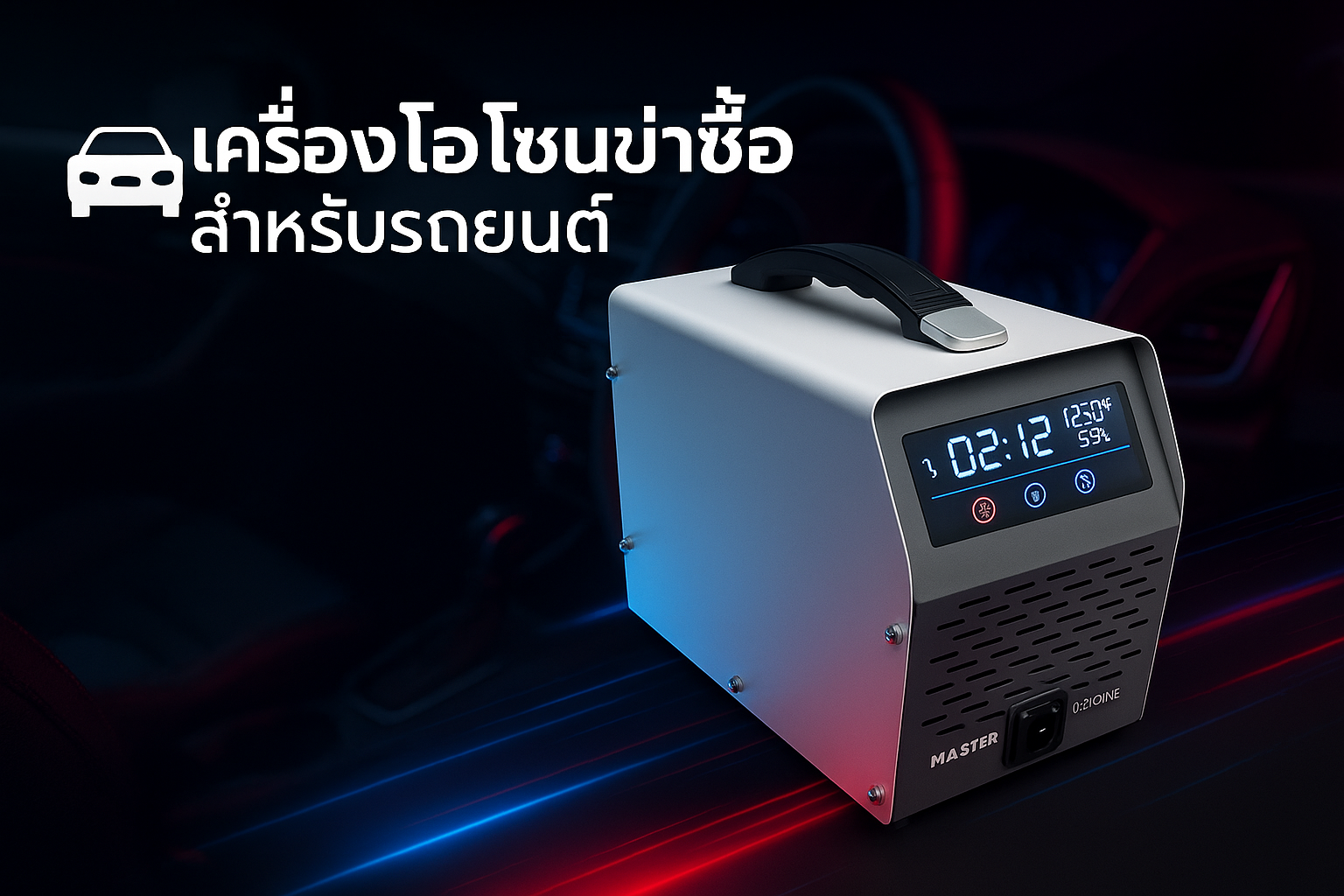
The safety team issued a cab standard: bedding washed every trip, mattresses with waterproof covers and a no-smoking rule. The crew ozone-treated every truck cab returning to the depot with an Ozone Generator with no one inside, opening the doors to ventilate by procedure before the next pair took over.
The firm bought its own ozone generator for the depot, with mechanics treating cabs after every long trip.
The next survey showed better sleep, fewer odour complaints, and the firm used the standard to attract new drivers.
Product used on this job:
Our working process
- Survey the space, measure floor area and ceiling height, and find odour or damp sources
- Fix or clean the source first, such as washing fabrics or servicing the air-con
- Remove people, pets and plants, seal the room and post a do-not-enter sign
- Run a Master Ozone Generator for a time matched to the room volume
- Wait for ozone to break down, ventilate and check odours before handover
Why this approach suits this kind of job
- Quick treatment of small cabs
- Reduces sweat, food and smoke odour
- Works with bedding laundering
- No perfume left behind
- Crew manage safety steps
- Done whenever trucks return to the depot
- Machines for sale to depots
- Advice on cab standards
- Suits trucks, tractor units and coaches
- Serves Bangkok and surrounding provinces
Before and after
| Before | After |
|---|---|
| Drivers not sleeping | Bedding washed every trip |
| Musty bunks | Waterproof mattress covers |
| Unwashed bedding | No smoking in cabs |
| Previous pair’s smoke | Ozone at every depot return |
| Drivers leaving | Better sleep |
“A truck cab is a driver’s mobile home, and it must be a place to truly rest.”
In the customer’s words
About the team
What many customers say is different is that the team listens and looks at the space before proposing a method, explains what will be done, how long it takes and how to prepare, then sends a photo report afterwards so the work can be checked.
Frequently asked questions
How long does a cab take?
Not long; done while the truck is at the depot.
When can drivers get in?
After opening doors to ventilate per procedure.
Does it help with cigarette smell?
It reduces lingering odour, but smoking in the cab must stop.
How often?
After every long trip.
Coaches?
Yes, and tractor units.
People who search for this also search for
truck sleeper cabsmelly truck cabhaulage driversdrivers sleeping in truckstractor unitcigarette smell in vehiclelogistics companycar ozone generatorozone Samut Prakanvehicle ozone service
Further reading
Ready to help with your problem
Don’t let the same problem keep coming back. Contact the team to book a survey and quotation: call 065-556-6294 or add LINE @whd268.
References: World Health Organization (WHO) | Department of Health, Thailand
Related tags: #OzoneService #TruckCab #HaulageDrivers #CabOdour #OzoneGeneratorTH #OzoneGenerator
Keywords: truck sleeper cab, truck cab, haulage drivers, musty vehicle smell, ozone service


