World News: Karachi, Pakistan, Sees 400 H1N1 Cases at One Hospital as Flu-Like Patients Nearly Double, and Doctors Say Real Numbers Are Higher. Lessons for Labs and Sample Collection Points
Last updated: 9 Nov 2026 | 10 Views |
World News: Karachi, Pakistan, Sees 400 H1N1 Cases at One Hospital as Flu-Like Patients Nearly Double, and Doctors Say Real Numbers Are Higher. Lessons for Labs and Sample Collection Points
From Pakistan: in late October 2026 Aga Khan University Hospital in Karachi reported 400 flu cases this year, while Civil Hospital's emergency department saw 70–80 flu-like patients a day, nearly double. Doctors said real numbers were higher because testing is limited to severe cases. Thai labs and sample collection points must protect themselves well.
The True Story: Little Testing, So Numbers Run Low
The Express Tribune reported on 29 October 2026 that Aga Khan University Hospital (AKUH) in Karachi had recorded 400 influenza cases this year, and Professor Faisal Mahmood of infectious diseases said H1N1 was circulating in Karachi and figures likely understated the outbreak because testing is mostly limited to severe cases.
Dr Imran Sarwar Sheikh, head of emergency at Civil Hospital, said the emergency department was seeing 70–80 flu-like patients a day, nearly double, and referred some for testing at Dow University hospitals. Experts urged vaccination for older people, children and the immunocompromised.
The Key Lesson: Where Feverish Patients Come to Be Tested, Staff Are Most Exposed
Thai private labs and collection points see feverish patients for tests and people for annual check-ups in one place. Points to watch are:
- Nasal swab rooms where patients cough and sneeze
- Waiting seats shared by feverish patients and check-up clients
- Blood draw chairs used all day
- Collection staff close to patients' faces
- Pens and registration screens everyone touches
How Flu Spreads
According to the World Health Organization, seasonal influenza spreads easily where people gather, such as schools and nursing homes. It spreads through droplets when people cough or sneeze, and through hands that touch contaminated surfaces and then the eyes, nose or mouth. Most people recover within a week, but young children, older adults, pregnant women and people with chronic illness are at risk of severe disease. Influenza is an enveloped virus, which suitable disinfectants can inactivate.
Risk Register for Labs and Sample Collection Points
- Nasal swabs taken in shared rooms: likelihood high / impact high / level critical. Mitigation: separate respiratory swab rooms or booths. Owner: lab head
- Feverish patients wait with check-up clients: likelihood high / impact medium / level high. Mitigation: separate waiting zones or times. Owner: branch manager
- Staff without full protection: likelihood medium / impact high / level high. Mitigation: N95 masks and face shields when swabbing. Owner: lab head
- Blood draw chairs not wiped: likelihood high / impact medium / level high. Mitigation: wipe armrests after every client. Owner: phlebotomist
- Collection rooms not disinfected at day's end: likelihood medium / impact high / level high. Mitigation: fog and ozone-treat after closing. Owner: branch manager
Ways to Reduce Flu Risk in Labs and Collection Points
- Separate respiratory swab booths
- Separate waiting zones for fever
- Wear protection for every swab
- Wipe blood draw chairs every client
- Use online registration to reduce contact
- Vaccinate all staff
- Fog and ozone-treat collection rooms after closing
How ULV Disinfection Fogging Helps
The World Health Disinfection disinfection service uses ULV fogging machines that turn the disinfectant into a fine mist. It settles across the whole area, including corners, curtains, upholstery and surfaces that hand wiping cannot reach.
- Whole-area coverage without relying on wiping spot by spot
- Quick return to use, typically about 30 minutes after fogging
- Uses Chemgene HLD4H, which meets EN 14476 for virucidal activity according to the product page
- The team wears full protective equipment, so owners and staff do not take the risk themselves
- Report and photos after the job for customers, management or authorities
- Tax invoice with 3% withholding tax for companies and agencies
Ozone Treatment for Closed Rooms and Stuffy Spaces
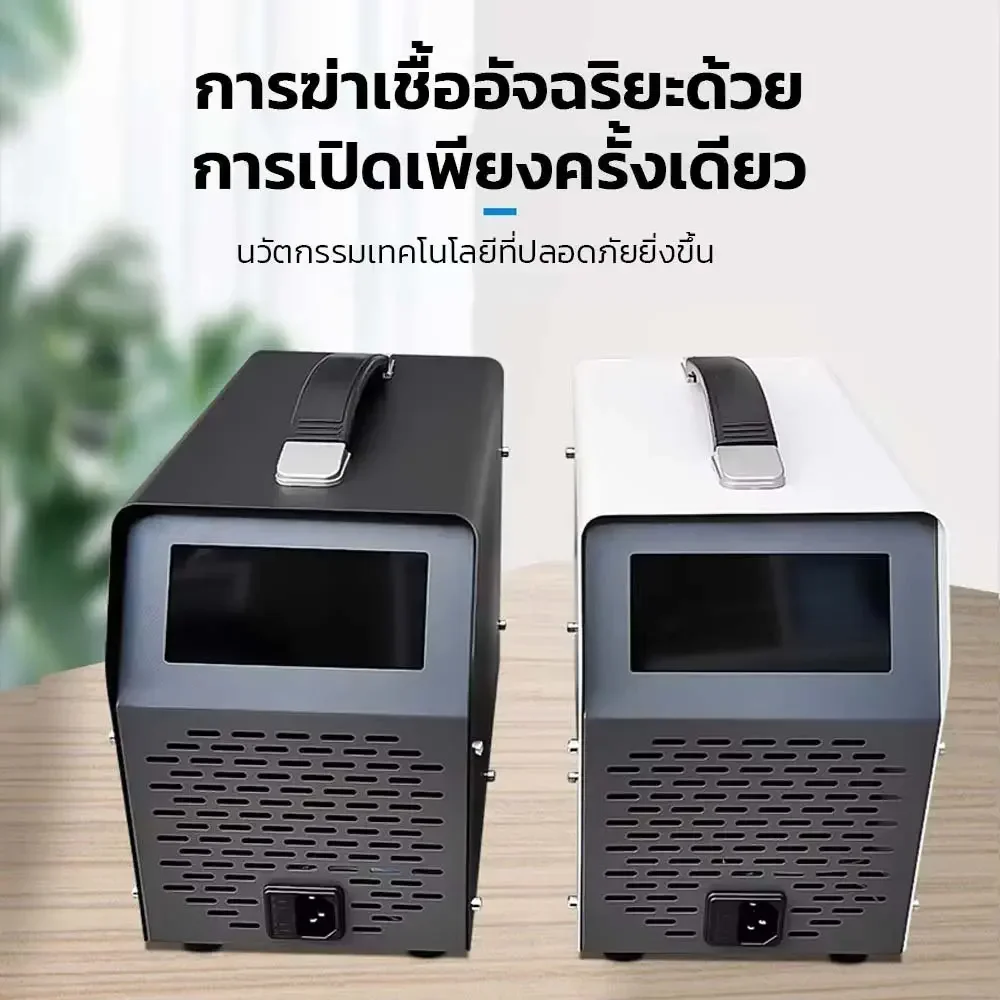
The World Health Disinfection ozone treatment service uses machines that generate ozone gas from oxygen in the air. It suits closed rooms such as meeting rooms, bedrooms, classrooms, sick bays and vans, helping reduce germs in the air and on surfaces and removing stale odours. Ozone breaks back down into oxygen after treatment, leaving no residue.
- Works alongside disinfection fogging: spray or wipe surfaces first, then use ozone for the air and corners of closed rooms
- No people or pets in the room during treatment: the team seals the room and runs a timer
- Ventilate after treatment before normal use resumes
- Machines tested by Intertek, according to WHD's service page
- Ideal after someone has been ill, such as recovered patients' rooms, shared bedrooms and shuttle vans
Before and After
Frequently Asked Questions
Q: How many flu cases did Karachi report? A: Aga Khan University Hospital recorded 400 in 2026, with H1N1 circulating.
Q: Why did doctors say numbers were understated? A: Because testing is mostly limited to severe cases.
Q: Does the fogging disinfectant work on flu? A: The team uses Chemgene HLD4H, which meets EN 14476 for virucidal activity according to the product page, and influenza is an enveloped virus that suitable disinfectants can inactivate. Fogging does not replace vaccination or handwashing.
Q: Can I enter the room right after ozone treatment? A: No one should be in the room during treatment. Ventilate afterwards before normal use; the team will advise the right time for the room size.
Q: Can private labs get a tax invoice? A: Yes. Tax invoices are issued and 3% withholding tax is supported. Call 065-556-6294 or LINE @whd268.
Related Links and Sources
Prevent Flu with Disinfection Fogging and Ozone Treatment
The real news from Pakistan shows undetected viruses keep spreading. Labs that protect staff and clients well earn customers' trust. Reduce the risk with the World Health Disinfection disinfection service for waiting areas, registration counters and blood draw rooms, and the ozone treatment service for swab and blood draw rooms after closing. To book, call 065-556-6294 or LINE @whd268.
Keywords: Pakistan flu, H1N1 Karachi, medical lab, laboratory, sample collection point, lab disinfection, blood draw room ozone treatment


